

25 March 2026: The blood plasma manufacturing project is considered one of the important national projects aimed at achieving self-sufficiency in plasma and providing vital medications for patients.
et presents a Q&A on everything related to the project:
What is the National Project for Collecting and Manufacturing Plasma Derivatives?
It is a strategic project launched by the Egyptian government with the aim of achieving self-sufficiency in plasma derivatives and reducing reliance on imports. This is achieved through the establishment of an integrated system for collecting blood plasma from donors, then separating it and manufacturing vital pharmaceutical derivatives within Egypt.
What is blood plasma?
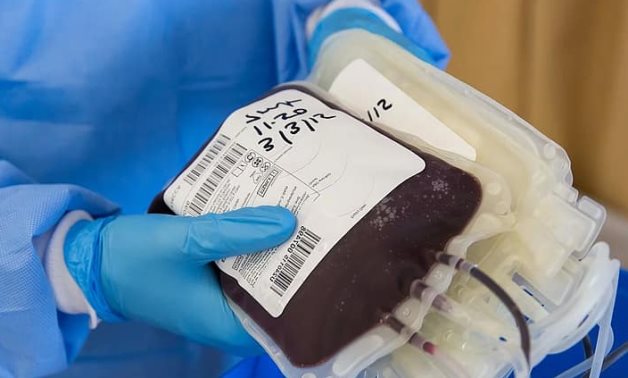
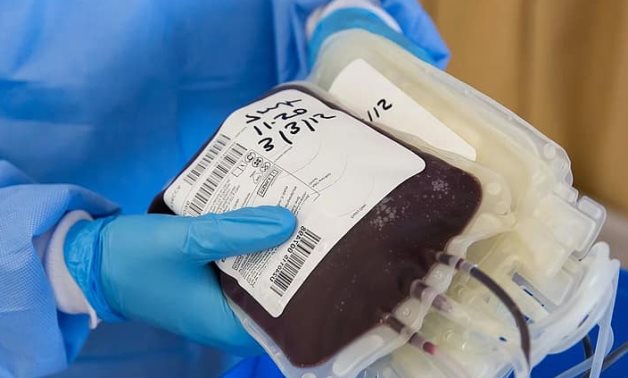
-Plasma is the liquid part of blood, representing about 55% of its components. It contains proteins, clotting factors, and antibodies used in manufacturing vital, life-saving medications, especially for patients with immunodeficiency, bleeding disorders, burns, and liver and kidney diseases.
Q: Why is this project important for Egypt?
Because Egypt was heavily reliant on importing plasma derivatives from abroad at a high cost, this put pressure on foreign currency reserves and exposed the market to the risk of global supply shortages.
The project aims to:
• Achieve self-sufficiency.
• Sustainably secure patients’ needs.
• Reduce the import bill.
Open the door to future exports.
What are the most important plasma derivatives to be manufactured?
The most prominent targeted products include:
• Human albumin.
• Intravenous immunoglobulin (IVIG).
• Clotting factors such as factors VIII and IX for hemophilia patients.
• Derivatives used in the treatment of immunodeficiency, neurological, and autoimmune diseases.
How does the project unfold?
The project involves several key phases:
1. Plasma collection through specialized centers according to international quality standards.
2. Separation and manufacturing using advanced technology in collaboration with international expertise.
3. Conducting rigorous laboratory tests to ensure safety and quality.
4. Launching the products for local distribution and then exporting them once self-sufficiency is achieved.
How many plasma collection centers are there in Egypt?
The government aims to establish dozens of centers nationwide. Several modern centers equipped with the latest technologies have already been opened, with a plan for geographical expansion to ensure easy access for donors.
Where is the plasma derivatives manufacturing plant being built?
An integrated industrial complex is being built in 6th of October City.
It is one of the largest projects of its kind in the Middle East and Africa, and it utilizes advanced European technology for separation and purification processes.
What is the expected production capacity?
The government aims to collect hundreds of thousands of liters of plasma annually, with a plan to reach nearly one million liters annually in full operation.
This will cover the needs of the local market and open up export opportunities.
How does the project ensure the quality and safety of the plasma?
Donors undergo medical examinations according to strict requirements. Each unit of plasma is also subjected to thorough testing to detect viruses and infectious diseases. The project adheres to internationally recognized Good Manufacturing Practices (GMP) standards and is under the supervision of the relevant regulatory authorities.
What is the difference between blood donation and plasma donation?
In plasma donation, blood is drawn, only the plasma is separated, and the remaining blood components are returned to the donor’s body. This allows for a higher donation rate compared to whole blood donation, while maintaining the donor’s safety.
What is the economic return of the project?
The project is expected to contribute to:
• Saving billions of Egyptian pounds annually that were previously spent on imports.
• Supporting foreign currency reserves.
• Creating direct and indirect job opportunities.
Transforming Egypt into a regional hub for manufacturing biopharmaceuticals.
What is the strategic dimension of the project?
The project represents a pillar of national health security, as it ensures the availability of vital medicines for patients with chronic and rare diseases without relying on imports, especially during global crises or supply chain disruptions.
When will actual production begin?
The collection centers have already begun operating, and the industrial commissioning phases of the factory are being completed in preparation for full commercial production. There are plans to gradually introduce the products to the local market as soon as the final approvals are obtained.
How can citizens participate?
Citizens can go to the nearest plasma collection center after registering and undergoing a medical examination, as participating in plasma donation is a direct contribution to saving patients’ lives and supporting Egypt’s pharmaceutical self-sufficiency.